Key Takeaways
- Google’s Local 3-Pack appears in 93% of local searches, making it essential for business visibility and generating up to 70% more clicks than standard organic listings.
- The three pillars of Local 3-Pack ranking success are relevance, proximity, and prominence – with GBP optimization being the foundation of all three.
- Businesses with complete Google Business Profiles that maintain NAP consistency across all online platforms see significantly higher Local 3-Pack rankings.
- Regular posting, photo updates, and review management on your GBP can boost your visibility by up to 35% in competitive local markets.
- HigherVisibility’s local SEO strategies have helped businesses increase their Local 3-Pack appearances by an average of 43% within three months.
The difference between thriving and merely surviving in today’s local business landscape often comes down to one thing: visibility in Google’s Local 3-Pack. This coveted position at the top of local search results isn’t just prime digital real estate—it’s where 93% of local searchers focus their attention and make their decisions.
Local businesses competing for customer attention need to understand that the 3-Pack essentially functions as the new front page of local search. With nearly half of all Google searches having local intent, optimizing your Google Business Profile (GBP) isn’t optional anymore—it’s the foundation of local digital marketing success. HigherVisibility has helped countless businesses transform their local presence by mastering these critical ranking factors.
Why Your Business Must Appear in Google’s Local 3-Pack
The statistics tell a compelling story. Businesses appearing in the Local 3-Pack receive up to 700% more clicks than those ranking in positions 4-10. This isn’t just about vanity metrics—it directly impacts foot traffic, phone calls, and ultimately, revenue. When consumers search for local services or products, the businesses displayed in this premium position establish immediate credibility and capture the majority of customer attention.
Think of the 3-Pack as Google’s personal recommendation to searchers. By appearing there, you essentially receive Google’s seal of approval, which carries tremendous weight with potential customers. Businesses missing from this crucial space are effectively invisible to many local searchers, regardless of how established they might be in the community.
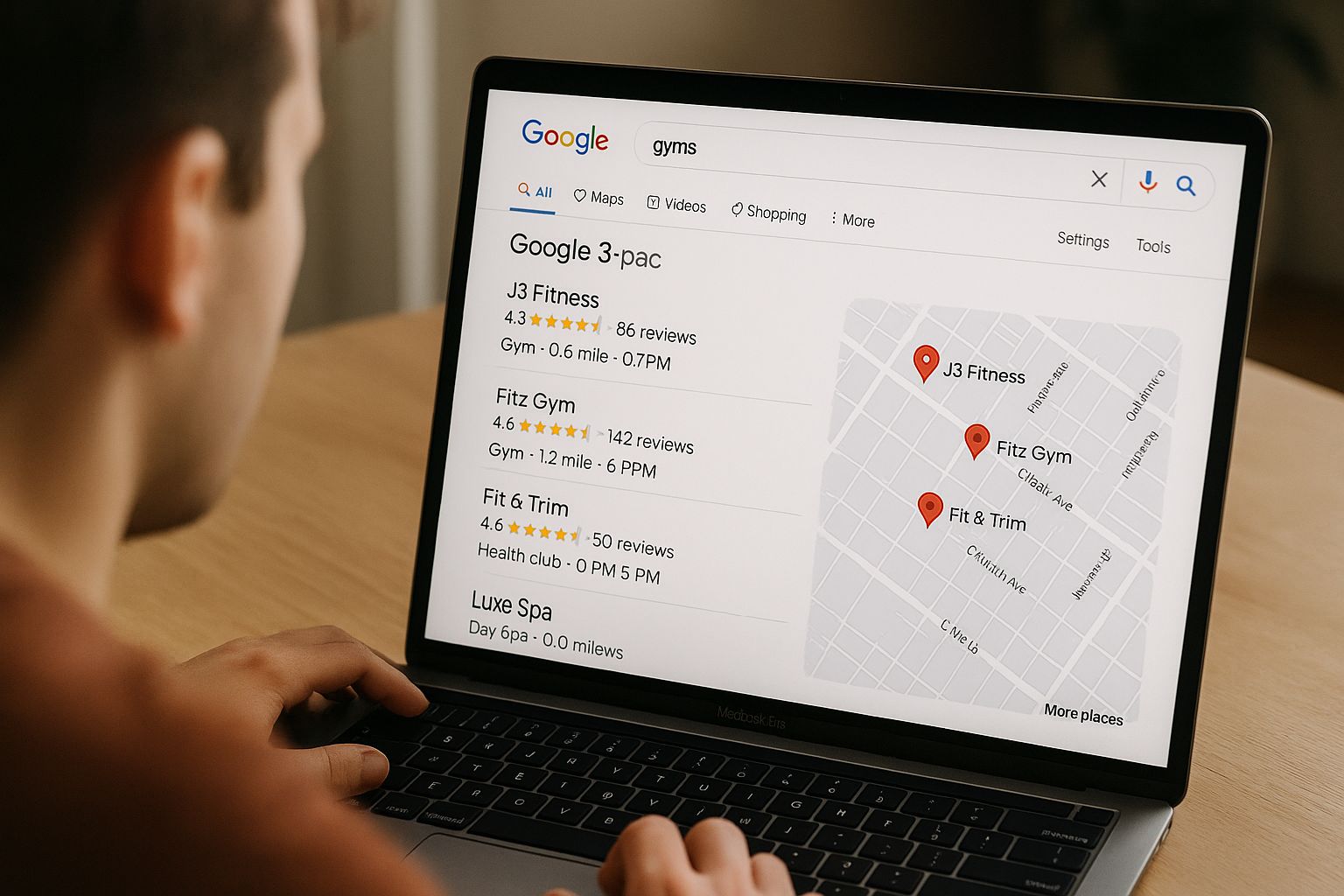
The Local 3-Pack also displays critical decision-making information that helps convert searchers to customers—your star rating, review count, business hours, and even busy times. This at-a-glance format allows potential customers to make quick decisions without having to click through to your website, removing friction from their journey to your business.
What Determines Local 3-Pack Rankings in 2023
Google’s local ranking algorithm operates on three fundamental pillars: relevance, proximity, and prominence. Understanding how each factor influences your visibility is essential for developing an effective optimization strategy. While Google doesn’t reveal its exact ranking formula, years of testing and analysis have provided clear insights into what moves the needle. For more detailed information, you can explore this guide on Google’s local pack.
The Three Pillars of Local 3-Pack Rankings
Relevance: How well your business matches what someone is searching for
Proximity: How close your business is to the searcher (or the searched location)
Prominence: How well-known and reputable your business is online and offline
What’s particularly important to understand is that these three factors don’t operate in isolation. They work together dynamically, with their relative importance shifting based on the search query, competition in your area, and even the specific industry you’re in. For example, in less competitive industries, proximity might carry more weight, while in highly competitive fields, prominence factors like reviews and citations often become the differentiating elements.
Relevance Signals That Influence Position
Relevance is fundamentally about how well your business matches what someone is searching for. The primary way Google determines this is through your GBP information and how completely you’ve filled out your profile. Critical relevance signals include your business name, primary and secondary categories, products and services, and the keywords naturally incorporated in your business description.
Your website content also plays a supporting role in establishing relevance, especially local-focused landing pages that reinforce the services you’ve listed in your GBP. The alignment between your website’s content and your GBP information creates a strong relevance signal that Google rewards with better visibility.
What many businesses overlook is how user behavior influences relevance. When users search for specific terms and then click on your business listing, Google interprets this as a signal that your business is relevant for those search terms. This creates a positive feedback loop where improved relevance leads to more clicks, which further improves your relevance signals.
Proximity Factors in Local Search
Proximity has become increasingly important in Google’s local algorithm over the years. It refers to how close your business is to either the person searching (if location services are enabled) or to the location specified in the search query (e.g., “coffee shops in downtown Portland”). While you can’t change your physical location, understanding how proximity impacts your visibility can help you set realistic expectations and develop appropriate strategies.
For businesses with service areas rather than customer-facing locations, Google evaluates proximity based on your listed service area in your GBP. This makes it crucial to accurately define these boundaries, as casting too wide a net can actually dilute your relevance in your core service areas. Localized content that mentions specific neighborhoods and districts can help reinforce your relevance in those areas despite proximity limitations.
How Google Measures Business Prominence
Prominence is essentially Google’s measure of how important or well-known your business is, both online and offline. This multifaceted ranking factor incorporates your review quantity and quality, citation consistency across the web, backlink profile strength, and even offline factors like brand mentions. Of these, reviews are arguably the most powerful prominence signal for local businesses.
The volume, recency, and sentiment of your reviews directly impact your 3-Pack rankings. Businesses that actively manage their reviews—responding promptly and professionally to both positive and negative feedback—typically see significant improvements in their local visibility. Google interprets this engagement as a sign of an active, customer-focused business worthy of recommendation.
Link signals from authoritative websites, particularly those with local relevance, also contribute significantly to prominence. Local news coverage, chamber of commerce memberships, and industry association listings all help establish your business as a prominent entity in your community. Even your social media presence and engagement levels factor into Google’s evaluation of your overall prominence.
5 Critical GBP Optimization Steps for 3-Pack Success
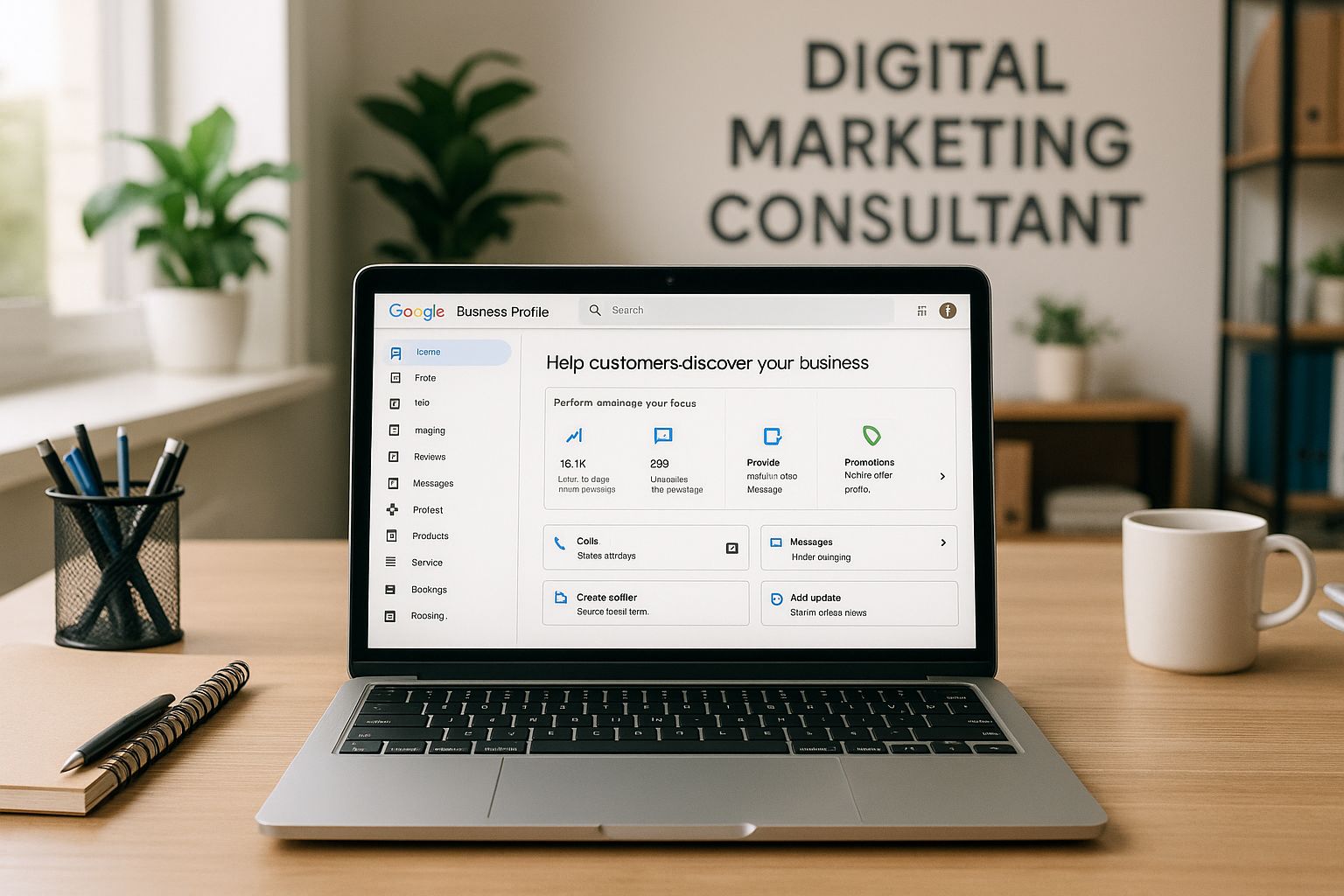
Optimizing your Google Business Profile forms the foundation of any successful Local 3-Pack strategy. Unlike complex technical SEO tactics, GBP optimization is remarkably accessible even for small businesses with limited resources. The key is understanding which elements have the greatest impact on your visibility.
When implementing these optimization steps, consistency is crucial. Google’s algorithm rewards businesses that maintain accurate, up-to-date information across all platforms. Each optimization element builds upon the others, creating a comprehensive profile that signals to Google your business deserves premium placement in local results.
1. Perfect Your NAP Consistency Across the Web
NAP (Name, Address, Phone number) consistency remains one of the foundational elements of local search success. When your business information matches exactly across your website, GBP, social profiles, directories, and citation sites, you send powerful trust signals to Google’s algorithm. Even minor variations like “Street” versus “St.” or different phone number formats can create confusion for both search engines and potential customers.
Start by conducting a comprehensive audit of your business listings across the web. Tools like Moz Local or BrightLocal can help identify inconsistencies that need correction. Prioritize fixing your information on high-authority platforms like Yelp, Facebook, and industry-specific directories that carry more weight in Google’s evaluation. For multi-location businesses, maintaining NAP consistency becomes even more critical—and challenging—as each location requires its own properly optimized profile. For a complete guide on setting up your profiles effectively, check out this guide to Google Business Profile setup.
2. Choose Primary and Secondary Categories Strategically
Category selection significantly impacts which searches your business appears for in the Local 3-Pack. Your primary category carries the most weight and should reflect your core business function. Google offers over 4,000 business categories, and selecting the most precise option rather than a general one can dramatically improve your relevance for high-intent searches.
Secondary categories allow you to capture additional relevant search queries without diluting your primary focus. While you can select up to nine additional categories, quality trumps quantity here—choose only those that genuinely reflect services you offer. Research your top-performing competitors’ categories using tools like GMBspy for insights into effective category combinations in your industry. Remember that category availability varies by country and Google regularly updates its category options, making periodic reviews of your selections essential.
3. Build a Review Generation System
Reviews serve dual functions in Local 3-Pack rankings: they’re both a prominent ranking factor and a powerful conversion tool that influences click-through rates. Businesses that implement systematic review generation processes consistently outperform competitors who leave reviews to chance. The key metrics Google evaluates include review quantity, recency, rating average, and review content—particularly the presence of relevant keywords in customer feedback.
Create a streamlined review request process that becomes part of your standard customer follow-up. Timing matters significantly—requests sent within 24-48 hours of service completion typically generate the highest response rates. Make leaving a review as frictionless as possible by providing direct links to your GBP review form in your requests. When responding to reviews, incorporate relevant keywords naturally while focusing primarily on addressing the customer’s specific feedback, which demonstrates your attentiveness to both customers and search engines.
4. Complete Every Available Profile Field
Google rewards businesses that provide complete information in their profiles, as this helps both the algorithm and users understand exactly what you offer. Beyond the obvious NAP details, fill out business hours (including special hours for holidays), your website URL, appointment links, service areas, and business description. Each completed field increases your profile’s relevance score and improves your chances of matching with appropriate search queries.
Your business description deserves particular attention as it provides an opportunity to naturally incorporate valuable keywords without keyword stuffing. Focus on clearly communicating your unique value proposition and including service-related terms that potential customers might search for. While this field doesn’t directly appear in the 3-Pack display, it significantly influences your ranking potential for relevant searches.
5. Post Regular Updates with Local Keywords
Google Business Profile posts function similarly to social media updates, allowing you to share news, events, offers, and other timely content directly on your profile. Posting weekly not only signals to Google that your business is active and engaged but also creates opportunities to strengthen your relevance for specific keywords. Strategically incorporate local terms, service descriptions, and seasonal offerings in your posts while ensuring they provide genuine value to potential customers.
Advanced GBP Features Most Businesses Miss
- Products and Services sections with detailed attributes and pricing
- Q&A management to control the narrative around your business
- Photo optimization with geo-tagged, keyword-named images
- Appointment scheduling links for direct conversion opportunities
- Message features that improve customer engagement metrics
The difference between businesses that occasionally appear in the Local 3-Pack and those that consistently dominate these positions often comes down to leveraging these advanced features. While your competitors focus solely on basic profile elements, implementing these underutilized features can provide the competitive edge needed to secure top placement.
Google regularly introduces new GBP features, often testing them in limited markets before wider rollouts. Staying informed about these developments through resources like Google’s Business Profile Help community and local SEO blogs ensures you can implement new features early, gaining advantage over less attentive competitors.
Each advanced feature serves multiple purposes within your local SEO strategy. Beyond their direct ranking impact, they improve user engagement metrics, which in turn reinforces your profile’s performance. They also expand your visibility opportunities by making your listing eligible for additional specialized display formats in search results.
Remember that consistent maintenance of these features is just as important as their initial setup. Outdated information or neglected sections can negatively impact both your rankings and customer perceptions of your business. Implement a regular review schedule to ensure all profile sections remain current and optimized.
Products and Services Sections: Complete Setup Guide
The Products and Services sections allow you to showcase your offerings directly within your GBP, creating valuable keyword opportunities and improving the relevance of your listing for specific searches. For service businesses, list each core service with detailed descriptions that naturally incorporate valuable search terms. Include pricing where appropriate, as this information helps pre-qualify potential customers and improves your listing’s usefulness.
For retail or product-based businesses, the Products section enables you to create a virtual storefront directly within Google. Prioritize featuring your bestsellers and unique offerings, and update seasonal items regularly to maintain relevance. Each product entry should include a high-quality image, clear pricing, and a description that addresses common customer questions. Remember that these sections directly influence which searches your business appears for in the Local 3-Pack, making comprehensive setup essential for maximum visibility. For more insights, check out how the Business Growth Engine can transform your approach.
Q&A Management: Prevent Competitors from Controlling the Narrative
The Q&A section of your GBP is publicly editable, meaning anyone can both ask and answer questions about your business. This creates potential vulnerability if left unmonitored, as competitors or dissatisfied customers could provide misleading information. Proactively manage this section by asking and answering your own frequently asked questions, which allows you to control the narrative while incorporating valuable keywords. Set up alerts through Google’s Business Profile Manager to receive notifications whenever new questions are posted, ensuring you can respond before others do.
Photo Optimization for Higher Engagement
Businesses with well-maintained photo galleries receive up to 42% more direction requests and 35% more website clicks than those with sparse or low-quality images. Beyond quantity, strategic optimization of your photos can significantly impact your Local 3-Pack performance. Rename image files to include relevant keywords before uploading, add proper alt text when possible, and consider including location data in the image metadata to reinforce geo-relevance signals.
How to Track Your 3-Pack Progress Like a Pro
Effective tracking of your Local 3-Pack performance requires monitoring multiple metrics beyond just your ranking positions. Establish a baseline measurement of your current visibility before implementing optimization changes to accurately assess their impact. Most businesses should conduct comprehensive performance reviews monthly, with weekly checks for specific high-priority metrics.
Understanding that Local 3-Pack results vary based on location, device type, and search history makes accurate tracking particularly challenging. Using tools that can simulate searches from different locations helps provide a more complete picture of your visibility across your service area. Pay particular attention to performance in high-value neighborhoods or zip codes that generate the most revenue for your business.
Correlation analysis between your optimization efforts and resulting performance changes provides invaluable insights for refining your strategy. Document when specific changes are implemented and track subsequent performance fluctuations to identify which tactics yield the strongest results for your particular business and market.
Beyond the technical metrics, qualitative analysis of how your listing appears compared to competitors can reveal optimization opportunities. Regularly search for your primary keywords as a customer would and evaluate how your listing presents compared to others in the 3-Pack. Look for opportunities to improve your visual appeal, review sentiment, or featured information that might increase your click-through rate. For more insights, consider reading about increasing organic traffic with AI and how it can enhance your marketing efforts.
- Ranking position tracking for primary and secondary keywords
- Impression counts across different geographic areas
- Click-through rates on different listing elements (website, directions, calls)
- Conversion tracking from GBP traffic to your website
- Competitor movement within local results
Key Metrics Beyond Rankings
When tracking Local 3-Pack performance, focus on engagement metrics that indicate real business impact rather than just ranking positions. Google Business Profile Insights provides valuable data on customer actions like website clicks, direction requests, and phone calls—metrics that directly correlate with revenue potential. Track these numbers weekly to identify trends and optimize accordingly.
Conversion tracking is the ultimate measure of Local 3-Pack success. Implement UTM parameters on your GBP website link to distinguish this traffic in Google Analytics and measure how these visitors convert compared to other channels. Many businesses discover that GBP traffic converts at significantly higher rates than general organic traffic due to its high-intent nature, justifying increased investment in 3-Pack optimization.
Tools for Local Rank Tracking
Specialized local rank tracking tools provide insights that general SEO platforms can’t capture. BrightLocal, LocalFalcon, and GeoRanker offer location-specific tracking that simulates searches from different points within your service area, revealing how your visibility varies across neighborhoods. This granular data helps identify geographic weak spots where targeted optimization efforts could yield significant improvements.
Google Search Console and Google Analytics should complement your specialized tracking tools. Search Console shows which queries trigger your business listing in search results, while Analytics helps quantify the business impact of your Local 3-Pack visibility. Together, these tools create a complete performance picture that informs strategic optimization decisions and helps demonstrate ROI to stakeholders or clients.
Beating Competitors Already in the 3-Pack
Displacing established businesses from the Local 3-Pack requires strategic analysis and targeted optimization efforts. Before implementing changes, thoroughly evaluate why your competitors currently outrank you. Is it their review volume, citation profile, website authority, or something else entirely? Once identified, these gaps become your priority improvement areas.
Competitive Analysis Tactics
Begin with a comprehensive audit of competitors currently dominating the Local 3-Pack. Examine their GBP profiles in detail, noting category selections, review quantities and ratings, posting frequency, and how completely they’ve utilized available features. Tools like WhiteSpark’s Local Citation Finder can reveal their citation sources, while Ahrefs or Semrush help analyze their backlink profiles and keyword rankings.
Look beyond technical factors to understand competitors’ customer experience strengths. Mystery shop their businesses, analyze their review content for mentioned strengths and weaknesses, and identify service gaps you could fill. Sometimes the quickest path to 3-Pack dominance isn’t outranking competitors on existing terms but identifying valuable related search queries they haven’t optimized for.
Quick Wins for Established Businesses
Businesses with existing market presence can often achieve rapid Local 3-Pack improvements through targeted optimizations. Review management typically offers the fastest results—implementing a systematic review generation process can significantly boost prominence signals within weeks. Focus particularly on recency and volume, as fresh reviews carry more weight in Google’s evaluation than older feedback. For more insights, consider exploring Google Business Profile features that are often overlooked.
Citation cleanup and building represent another high-impact opportunity for quick improvements. Audit your existing citations for inconsistencies, duplicate listings, or outdated information, then systematically correct these issues starting with the highest-authority platforms. For businesses that haven’t previously focused on citation building, securing listings on industry-specific directories relevant to your market can provide substantial relevance and authority signals.
- Update and expand your GBP categories to capture more relevant searches
- Add structured schema markup to your website’s location pages
- Create location-specific content addressing common customer questions
- Implement a GBP posting schedule with service and location keywords
- Optimize your Google Maps listing with complete service information
Leveraging your existing customer base can accelerate 3-Pack progress significantly. Reach out to satisfied past customers with a simple review request process, clearly explaining how their feedback helps your business. Many businesses find that even a modest review generation campaign can shift their Local 3-Pack visibility within 30-60 days, especially in less competitive markets.
Long-Term Strategy for Sustainable Results
While quick wins can jumpstart your Local 3-Pack performance, sustainable dominance requires ongoing investment in both on-site and off-site optimization factors. Develop a content strategy that regularly creates locally-focused, service-specific content that naturally incorporates valuable keywords while genuinely addressing customer needs. This content serves dual purposes: improving your organic search performance while reinforcing local relevance signals that influence 3-Pack rankings.
The Final Push: From Page Two to 3-Pack Visibility
Businesses hovering just outside the Local 3-Pack often need only a few strategic adjustments to secure premium positioning. The difference between positions 4-7 and the coveted top three spots frequently comes down to review sentiment and citation quality rather than quantity. Audit your existing reviews for recurring customer concerns and address these operational issues promptly. Simultaneously, focus on building citations from locally-relevant, industry-specific sources rather than generic directories.
Website localization can provide the final push needed to break into the 3-Pack. Create neighborhood-specific landing pages that address local needs and incorporate geographic terms your customers use. Implement localized schema markup that clearly communicates your service areas, business type, and key differentiators to search engines. These technical optimizations, combined with consistent GBP management, create the comprehensive signals needed to demonstrate superior relevance and prominence to Google’s local algorithm.
Frequently Asked Questions
The journey to Local 3-Pack dominance generates many questions from business owners. Here are answers to the most common inquiries we receive about optimizing for local visibility.
How long does it take to rank in Google’s Local 3-Pack?
Timeframes for achieving Local 3-Pack placement vary significantly based on your market competition, starting position, and optimization strategy. For businesses in less competitive markets with few established competitors, visible improvements may appear within 4-6 weeks of implementing comprehensive GBP optimizations. For highly competitive industries in major metropolitan areas, expect a 3-6 month timeframe for sustainable results.
The key factors influencing your timeline include existing review volume, citation consistency, website authority, and competitor strength. Businesses starting with no GBP presence or significant NAP inconsistencies typically require longer to establish the trust signals Google requires. Focus first on foundation elements like complete GBP information, citation accuracy, and review generation for the fastest possible progress.
Can businesses without a physical address appear in the Local 3-Pack?
Service-area businesses without public-facing locations can indeed appear in the Local 3-Pack, though the optimization approach differs slightly from storefront businesses. When setting up your GBP, specify your service areas rather than displaying your physical address, and ensure your business categories accurately reflect your service offerings. Google increasingly accommodates these business models, particularly in service industries like plumbing, landscaping, and home repair.
Does paying for Google Ads improve 3-Pack rankings?
Google maintains strict separation between its advertising platform and organic local rankings. Simply purchasing Google Ads does not directly influence your Local 3-Pack positions. However, Google Ads can complement your organic strategy by increasing overall brand visibility and potentially improving engagement metrics like click-through rates and website visits, which may indirectly support your local SEO efforts.
Local Services Ads, which appear above both traditional ads and the 3-Pack, offer service businesses another opportunity for premium placement. These verification-required placements operate on a pay-per-lead model rather than pay-per-click, making them particularly effective for service-area businesses focusing on specific high-value offerings.
How often should I update my Google Business Profile?
Successful GBP management requires both regular scheduled updates and responsive maintenance. At minimum, post fresh content weekly, respond to new reviews within 24 hours, answer Q&A promptly, and conduct monthly profile audits to ensure all information remains current. Seasonal businesses should update hours, services, and products to reflect current offerings, while all businesses should immediately update any changes to fundamental information like phone numbers, website URLs, or service offerings.
What’s the most important factor for Local 3-Pack rankings?
While Google’s algorithm weighs numerous factors, proximity and relevance typically exert the strongest influence on Local 3-Pack placement. For searches where the user’s location is known, businesses closer to the searcher receive preference, assuming they meet basic relevance thresholds for the query. For non-geo-modified searches (e.g., “dentist” rather than “dentist in Chicago”), Google prioritizes businesses close to the searcher’s detected location. For more detailed strategies, check out our complete guide to Google Business Profile setup.
Among factors within your control, GBP optimization and review management generally yield the highest return on investment. A completely optimized GBP with strong review signals can often overcome proximity disadvantages, especially for specialized services or in less densely populated areas. Focus first on these elements before investing heavily in more complex and resource-intensive tactics.
Dominating the Local 3-Pack doesn’t happen by accident—it requires strategic optimization and consistent effort. By implementing the tactics outlined in this guide, businesses of all sizes can significantly improve their local visibility and connect with more customers at their moment of decision. HigherVisibility specializes in helping businesses achieve and maintain premium placement in local search results through proven, ethical optimization strategies.
Near Me searches the GOLDEN STANDARD of local search!
72% of people who make a Near Me search visit a store within 5 miles of their current location. It’s not a matter of IF you need to rank in maps, it’s a matter of HOW FAST you can rank in maps. If they’re not finding your client, they’re finding their competitor.
Google Profiles show up in 93% of searches with local intent.
92% of searches will pick a business on the first page of Google
97% of people learn more about a local company online than anywhere else.
Ready to claim your spot in the Local 3-Pack?
At Ethos Media Marketing, we specialize in helping businesses dominate local search with proven Google Business Profile strategies. From NAP consistency to advanced review generation, we know how to turn visibility into revenue.
👉 Work with Ethos Media Marketing and start attracting more customers today.